Shanghai: The Future of Photography in a Modern Metropolis
Where ancient traditions meet cutting-edge innovation. Explore Shanghai's stunning skyline, vibrant street life, and learn techniques for photographing modern urban landscapes.
Shanghai is a city of the future, a metropolis where ancient Chinese culture collides with cutting-edge modernity. The skyline alone tells a story of ambition and innovation—towers that seem to touch the clouds, neon signs that never sleep, and architecture that pushes the boundaries of what's possible.
Arriving in Shanghai feels like stepping into tomorrow. The city pulses with energy, from the moment you step out of the airport to the late-night streets where life never stops. As a photographer, I was immediately struck by the visual feast—the contrast between old and new, the scale of everything, the way light and colour dance across the urban landscape.
The Bund: Where Past Meets Future
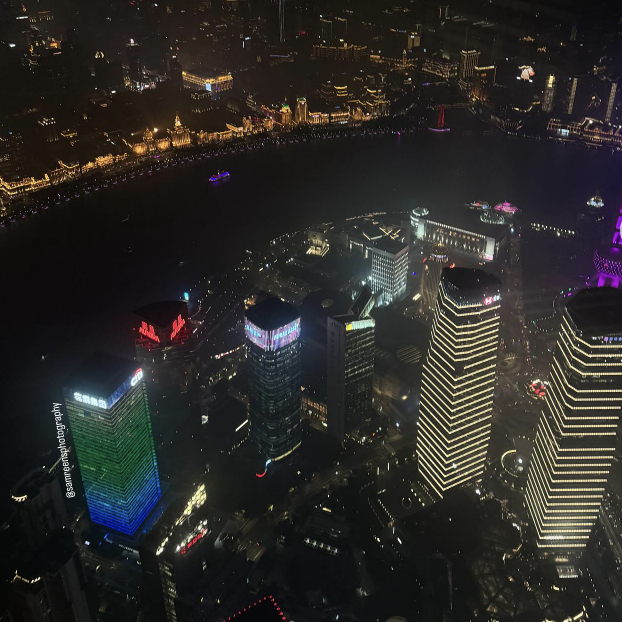
The Bund is Shanghai's most famous waterfront, and for good reason. On one side, you have the historic European-style buildings that speak to Shanghai's colonial past. On the other, across the Huangpu River, the futuristic skyline of Pudong rises like something from science fiction. This contrast is what makes Shanghai photography so compelling.
I spent multiple evenings on the Bund, each time discovering new angles and perspectives. The best time is during blue hour, when the city lights begin to glow and the sky transitions from day to night. The reflections in the river double the beauty, creating symmetrical compositions that are uniquely Shanghai.
Pro Tip: Use a wide-angle lens to capture the full sweep of the skyline, but don't forget to zoom in on details. The intricate architecture of the historic buildings on the Bund is just as photogenic as the modern towers across the water.
"Shanghai doesn't just show you the future—it shows you how the future can honor the past."
Pudong: The Skyline That Defies Gravity
The Pudong skyline is one of the most photographed in the world, and for good reason. The Oriental Pearl Tower, the Shanghai Tower, and the Jin Mao Tower create a vertical cityscape that's breathtaking. I took the elevator to the observation deck of the Shanghai World Financial Center, 474 meters above the ground, and watched the city spread out below like a circuit board of light.
Photographing from these heights requires different techniques. Use a telephoto lens to compress the skyline, creating layers of buildings. Or use a wide-angle to show the scale. The key is finding the right balance between showing the grandeur and capturing the details.
Night Photography: When Shanghai Comes Alive
Shanghai truly comes alive at night. The neon signs, the illuminated buildings, the constant movement—it's a photographer's dream. I spent nights wandering the streets, camera in hand, capturing the energy of a city that never sleeps.
For night photography in Shanghai, a tripod is essential. The long exposures needed for low light will blur without stabilization. But don't just shoot static scenes—capture the movement. The light trails from cars, the motion of people, the way neon reflects on wet streets after rain—these elements add life to your photographs.
Photography Tips for Shanghai
1. Embrace the Scale
Everything in Shanghai is big. Use this to your advantage—include people in your shots to show scale, or use leading lines to guide the eye through massive structures. The contrast between human scale and architectural scale tells a powerful story.
2. Find the Old Among the New
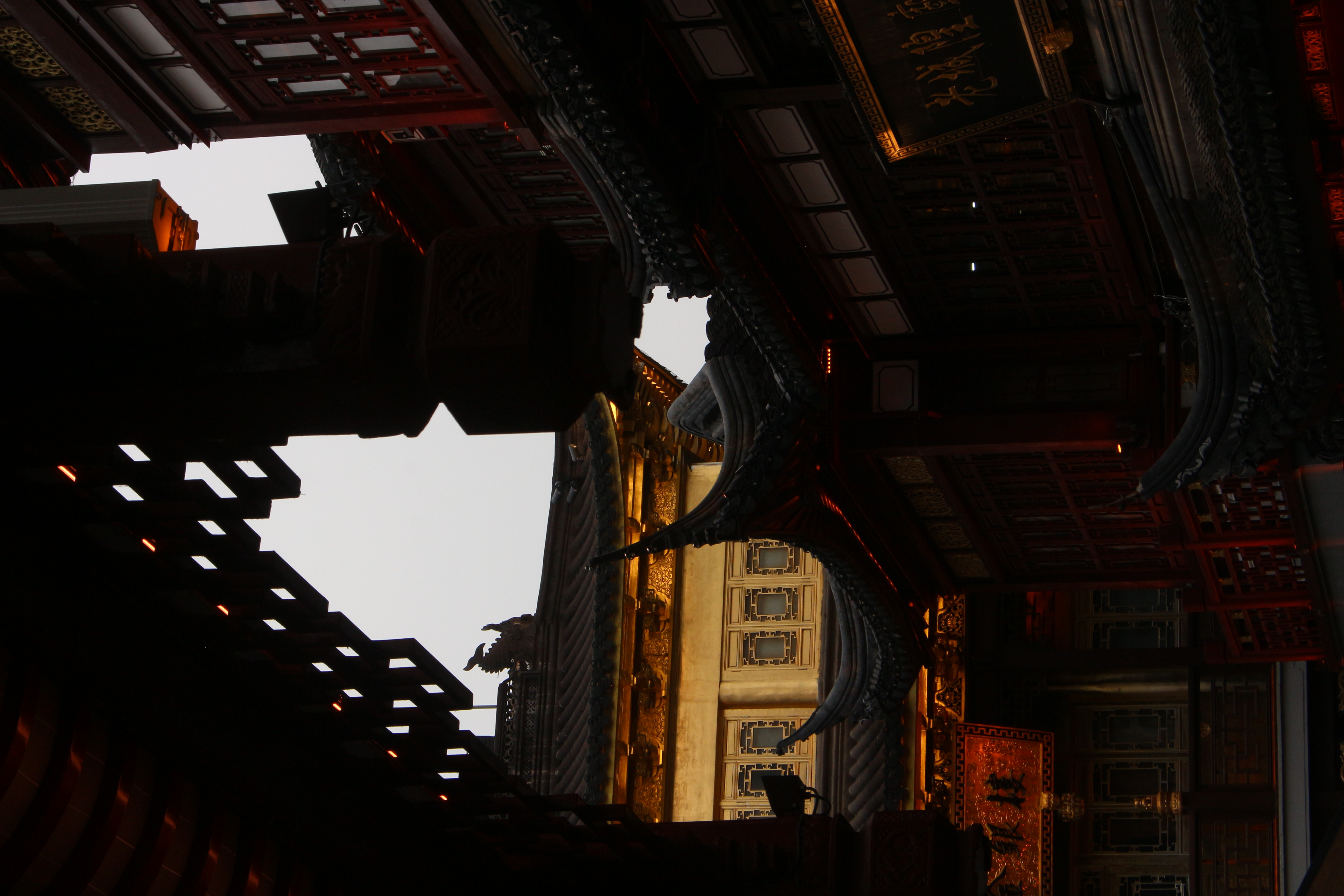
Despite its modern reputation, Shanghai has pockets of traditional architecture. The Yuyuan Garden, the Old City, the French Concession—these areas offer a different side of Shanghai. Frame traditional elements with modern buildings in the background to show the city's dual nature.
3. Use Reflections
Shanghai's modern buildings are often covered in glass, creating endless opportunities for reflections. Look for puddles after rain, glass facades, and the river itself. Reflections can create abstract compositions or double the impact of your subject.
4. Capture the Street Life
Beyond the skyscrapers, Shanghai's streets are full of life. The food vendors, the markets, the people going about their daily lives—these moments show the human side of this massive city. Don't just look up at the buildings; look around at the people who make Shanghai home.
The French Concession: A Different Pace
The French Concession offers a quieter, more European side of Shanghai. Tree-lined streets, art deco buildings, and a slower pace of life. This neighbourhood provides a contrast to the frenetic energy of Pudong, and the architecture offers different photographic opportunities. The best time to photograph here is during golden hour, when the warm light complements the historic buildings.
Final Thoughts
Shanghai is a city that challenges and inspires. It's a place where you can photograph the future while honoring the past, where every corner offers a new perspective, where light and architecture combine to create endless photographic possibilities. As a photographer, Shanghai taught me to think bigger, to see differently, to embrace both the grand and the intimate.
Whether you're capturing the iconic skyline or the quiet moments in a local park, Shanghai offers stories waiting to be told through your lens. It's a city that demands to be photographed, not just seen, and through photography, we can share the energy and innovation that makes Shanghai one of the world's most dynamic cities.
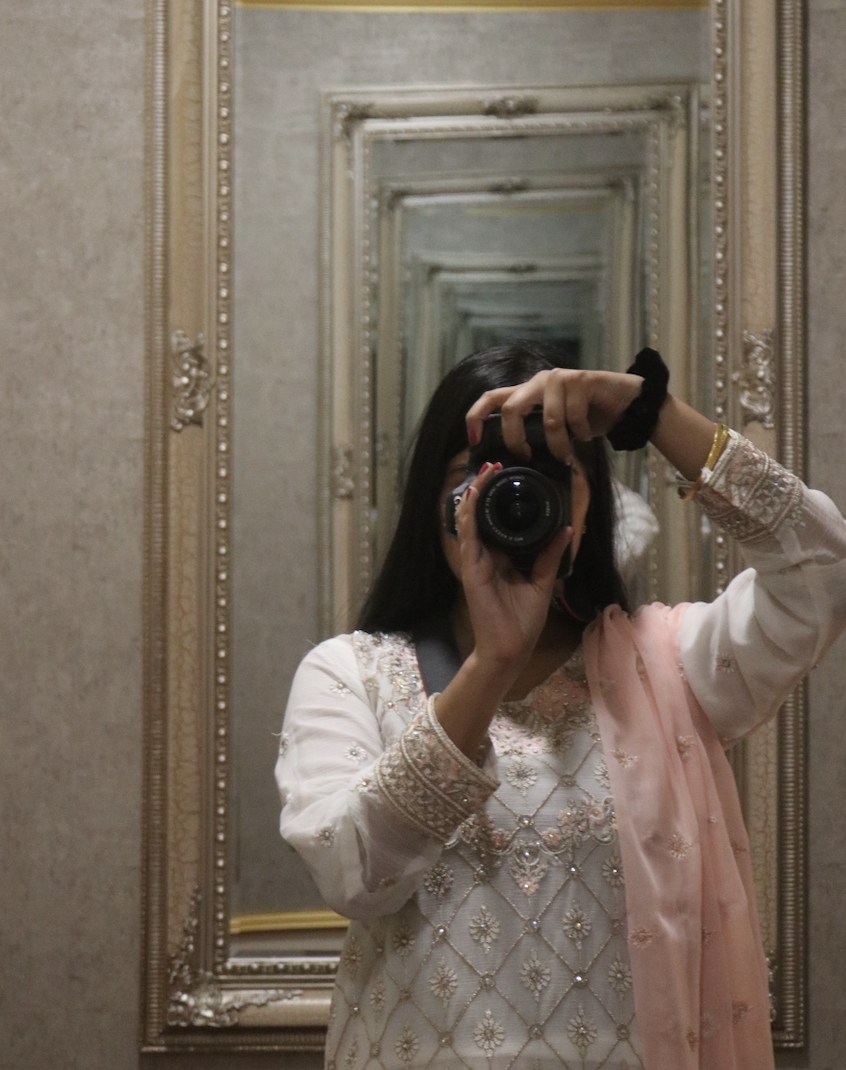
About Samreen
A Manchester-based photographer specialising in travel and authentic storytelling. Capturing moments that matter, from local sessions to destinations around the world.
Read More About Me