China's Sacred Spaces: Temples and Parks
Finding peace and beauty in China's spiritual sanctuaries. A guide to photographing temples and parks, capturing the tranquility and intricate details of these peaceful havens.
In the midst of China's bustling cities and modern development, there are places of peace—temples where incense smoke rises like prayers, parks where ancient trees provide shade, and spaces where time seems to slow down. These sacred spaces offer not just photographic opportunities, but moments of reflection and connection with something deeper.
My journey through China's sacred spaces began in a small temple tucked away in a Beijing neighbourhood. The noise of the city faded as I stepped through the gate, replaced by the sound of wind chimes and the quiet footsteps of visitors. Here, I learned that photographing these places requires more than technical skill—it requires respect, patience, and an understanding of their spiritual significance.
The Temples: Architecture of the Soul
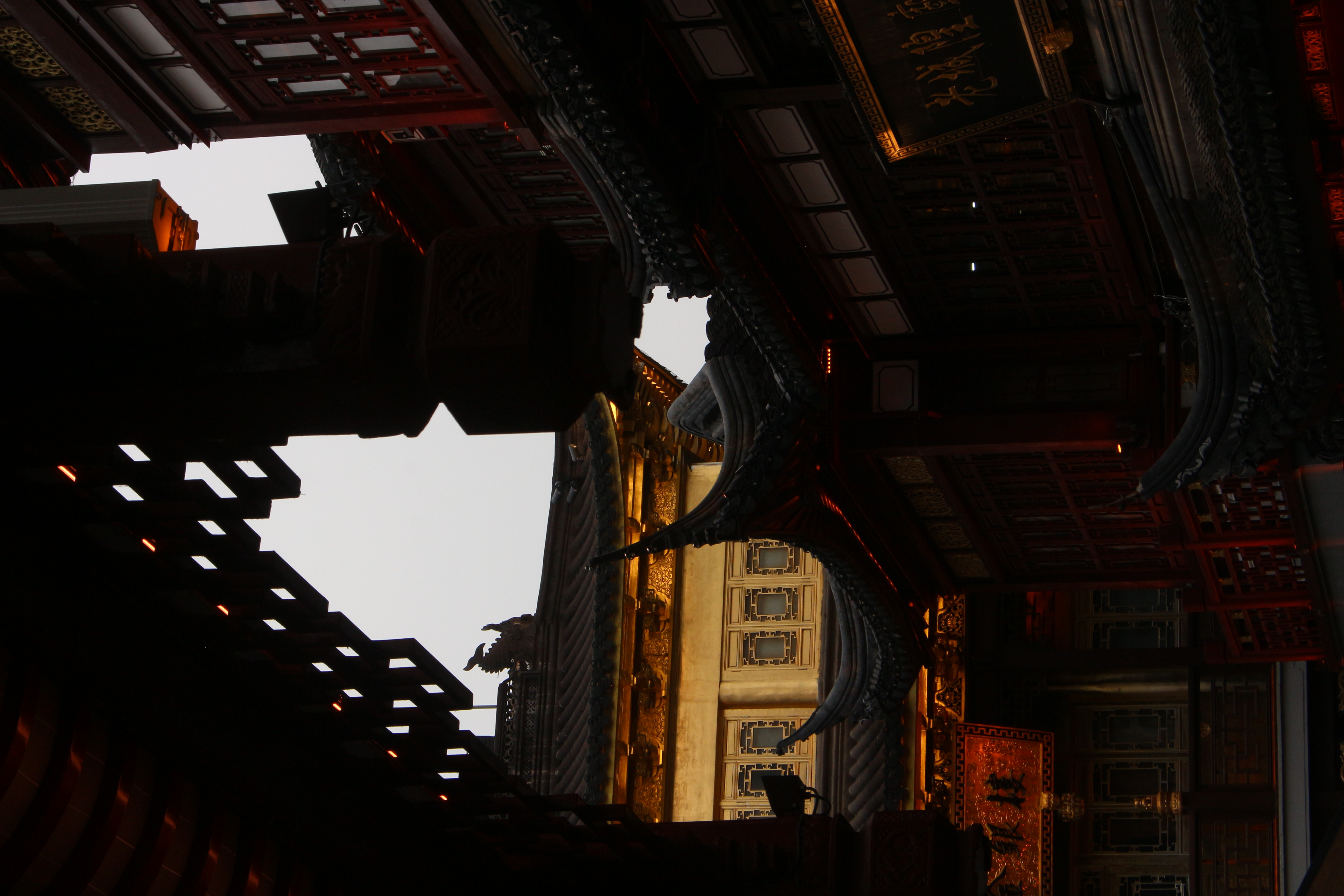
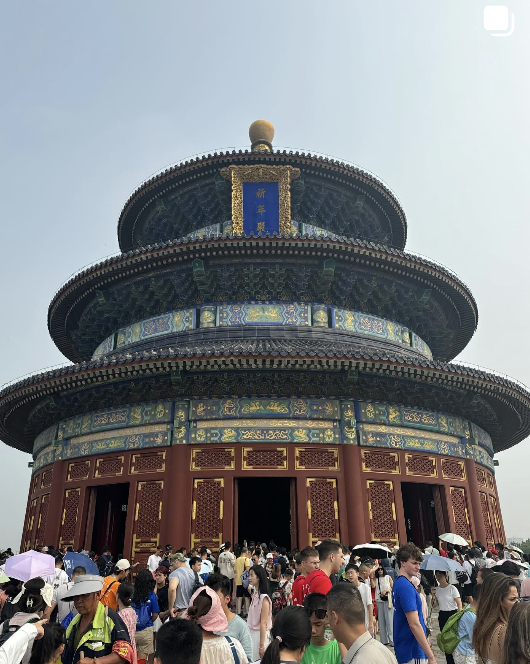
Chinese temples are architectural masterpieces, but they're also places of worship. The intricate carvings, the colorful paintings, the way light filters through wooden lattices—every element has meaning. When photographing temples, I found myself drawn to the details: the dragons carved into pillars, the lotus flowers painted on ceilings, the way morning light illuminated ancient statues.
The best time to photograph temples is early morning, before the crowds arrive. The soft, directional light creates depth and highlights the intricate details. I also found that overcast days work beautifully—the diffused light eliminates harsh shadows and creates an even, peaceful atmosphere.
Pro Tip: Always check photography rules before entering. Some temples allow photography everywhere, others have restrictions. When in doubt, ask. And remember—these are active places of worship. Move quietly, be respectful, and never use flash, which can be disruptive to those praying or meditating.
"In China's temples and parks, I found that the best photographs come when you slow down, when you observe, when you connect with the peace these places offer."
The Parks: Nature in the Urban Landscape
Chinese parks are not just green spaces—they're carefully designed landscapes that reflect principles of harmony and balance. The way paths curve, the placement of rocks, the reflection of pavilions in ponds—everything is intentional. These parks offer photographers opportunities to explore composition, to find balance, to capture the relationship between nature and human design.
I spent hours in parks, watching how light changed throughout the day. Morning light filtering through trees, afternoon reflections in ponds, evening silhouettes of pavilions—each time of day offers different photographic possibilities. The key is patience, waiting for the right moment when all elements align.
Photography Tips for Sacred Spaces
1. Use Natural Light
The soft, diffused light in temples and the dappled light in parks create beautiful, natural photographs. Avoid flash at all costs—not only is it disrespectful in sacred spaces, but natural light will always look better. If you need more light, increase your ISO or use a tripod for longer exposures.
2. Focus on Details
While wide shots show the grandeur, details tell stories. The texture of ancient wood, the pattern of roof tiles, the way incense smoke curls upward—these small elements often make more compelling photographs than wide shots. Use a macro lens or zoom in to capture these details.
3. Find Leading Lines
Chinese architecture and park design are full of natural leading lines—the curve of a bridge, the straight lines of a corridor, the path through a garden. Use these to guide the viewer's eye through your composition, creating depth and visual interest.
4. Capture the Atmosphere
Sacred spaces have a unique atmosphere—peaceful, contemplative, timeless. To capture this, look for moments that convey these feelings: incense smoke, reflections in water, the way light creates patterns, people in quiet contemplation. These elements help tell the story of these special places.
The Seasons: Changing Beauty
China's parks and temple grounds change dramatically with the seasons. Spring brings cherry blossoms and new growth. Summer offers lush greenery and vibrant colors. Autumn provides golden leaves and dramatic skies. Winter offers stark beauty and the contrast of snow against traditional architecture. Each season offers different photographic opportunities, and returning to the same places in different seasons can create a beautiful series.
Respect and Connection
Perhaps the most important lesson I learned while photographing China's sacred spaces is the importance of respect. These are not just photo opportunities—they're places of spiritual significance, of cultural importance, of peace. Taking the time to understand their meaning, to observe quietly, to connect with the atmosphere—this approach not only results in better photographs but honors the places themselves.
Final Thoughts
China's temples and parks offer photographers more than just beautiful subjects—they offer opportunities to slow down, to observe, to connect with something timeless. In a country of rapid change and modern development, these sacred spaces remind us of the importance of balance, of peace, of the connection between human creation and natural beauty.
Through photography, we can share not just the visual beauty of these places, but their atmosphere, their significance, their ability to inspire peace and reflection. Whether you're photographing the grandeur of a temple or the simplicity of a park path, these sacred spaces offer endless opportunities to create images that resonate with meaning and beauty.
About Samreen
A Manchester-based photographer specialising in travel and authentic storytelling. Capturing moments that matter, from local sessions to destinations around the world.
Read More About Me