China: Where Ancient Architecture Meets Modern Dreams
Exploring the breathtaking architectural wonders of China, from imperial palaces to futuristic skylines, and discovering the perfect angles to capture their timeless beauty.
China is a photographer's dream—a country where millennia of architectural history coexist with cutting-edge modern design. From the imperial grandeur of the Forbidden City to the futuristic skyline of Shanghai, every corner tells a story of tradition meeting innovation.
My journey through China began in Beijing, where I spent days wandering through the Forbidden City. The scale is overwhelming—980 buildings spread across 180 acres, each one a masterpiece of traditional Chinese architecture. The red walls, golden roofs, and intricate carvings create a visual symphony that changes with every hour of the day.
The Forbidden City: A Study in Symmetry
The Forbidden City is built on principles of feng shui and cosmic harmony. Every structure is perfectly aligned, creating endless opportunities for symmetrical compositions. The best shots come during the golden hour when the setting sun casts long shadows across the courtyards, highlighting the intricate details of the wooden structures.
Pro Tip: Arrive early—before the crowds—and use a wide-angle lens to capture the full grandeur. The Hall of Supreme Harmony, with its three-tiered marble terrace, is particularly stunning when shot from a low angle, making the building appear to touch the sky.
"In China, architecture is poetry written in wood, stone, and tile—each structure a verse in the epic of human civilization."
The Great Wall: Where Earth Meets Sky
No visit to China is complete without experiencing the Great Wall. I chose to visit the Mutianyu section, less crowded than Badaling but equally magnificent. The wall snakes across mountain ridges like a dragon, and photographing it requires patience and the right conditions.
The key to great Great Wall photography is timing. Early morning mist creates an ethereal atmosphere, while late afternoon light brings out the texture of the ancient stones. I found that shooting from a distance with a telephoto lens captures the wall's scale better than close-up shots.
Modern Marvels: Shanghai's Skyline
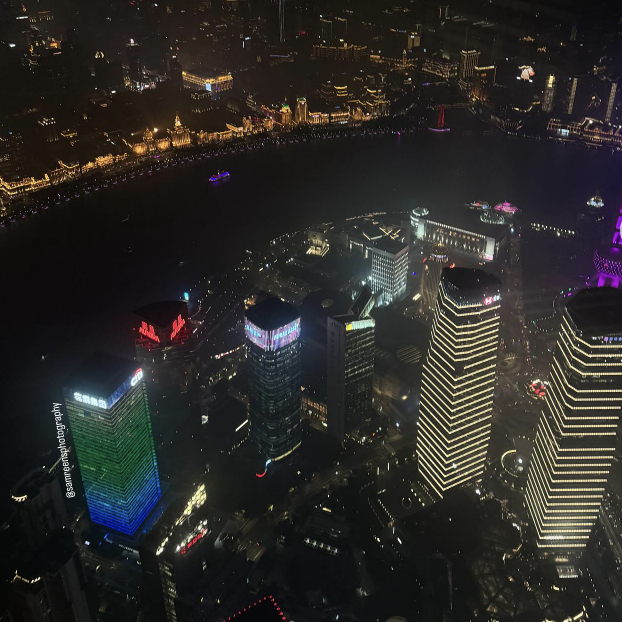
Shanghai represents China's future—a city where traditional shikumen houses stand in the shadow of the 632-meter Shanghai Tower. The contrast is breathtaking. I spent an evening on the Bund, photographing the historic European-style buildings on one side and the futuristic Pudong skyline on the other.
For the best skyline shots, head to the observation deck of the Shanghai World Financial Center at sunset. The city transforms as millions of lights come alive, creating a sea of neon that stretches to the horizon. Use a tripod and long exposure to capture the movement of boats on the Huangpu River.
Photography Tips for Chinese Architecture
- Respect the Golden Hour: Chinese architecture, especially traditional buildings, looks magical in warm light. Plan your visits around sunrise and sunset.
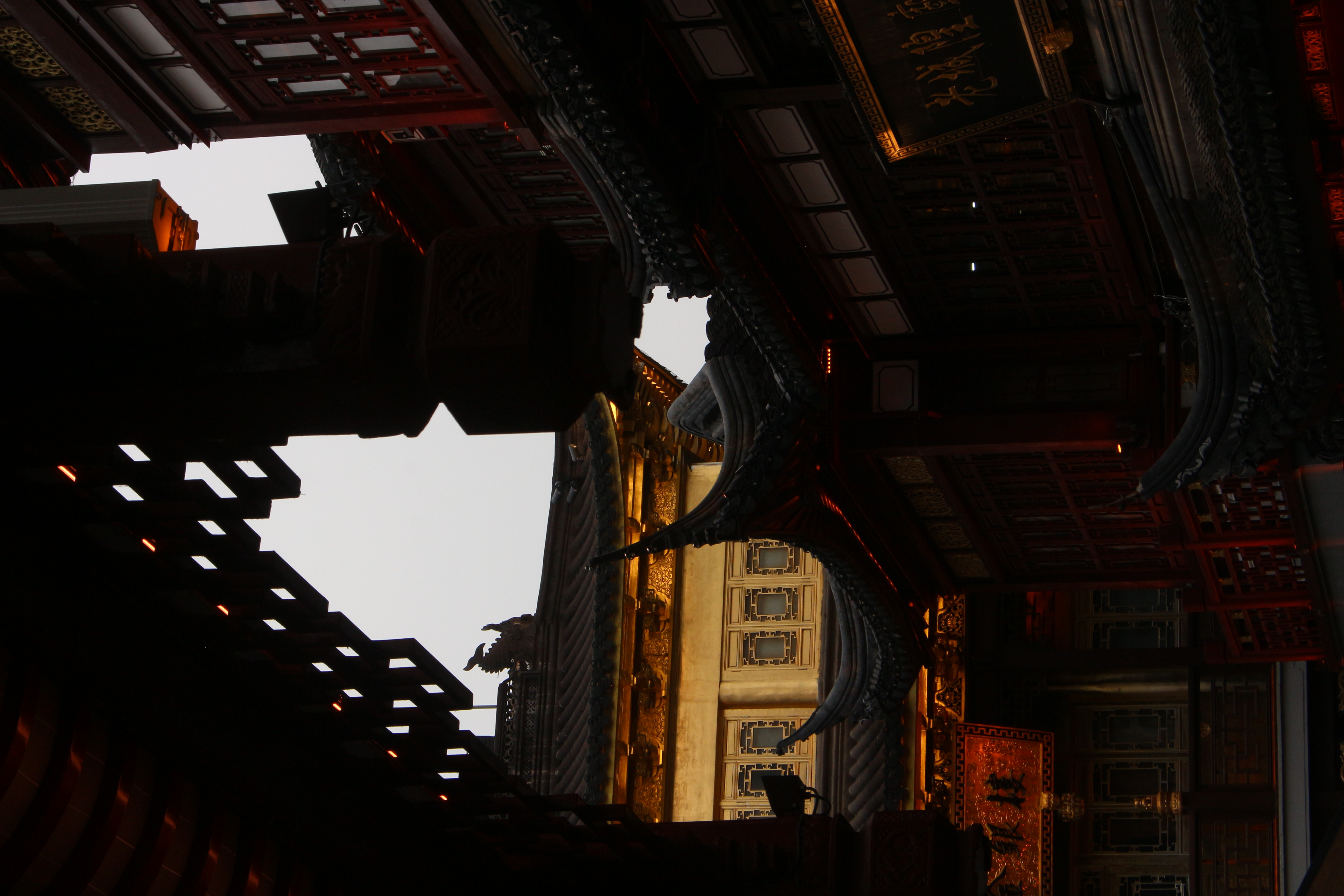
- Look for Patterns: Chinese design is full of repeating patterns—roof tiles, lattice windows, courtyard layouts. Use these for compelling compositions.
- Capture Details: Don't just shoot wide. The intricate carvings, colourful paintings, and decorative elements tell their own stories.
- Embrace Contrast: The juxtaposition of old and new is everywhere. Frame traditional architecture with modern buildings in the background.
- Use Leading Lines: The symmetrical layouts of Chinese architecture create natural leading lines that draw the eye through your frame.
- Be Patient: Popular sites get crowded. Wait for moments when people clear, or use longer exposures to blur crowds into motion.
The Temples: Spiritual Architecture
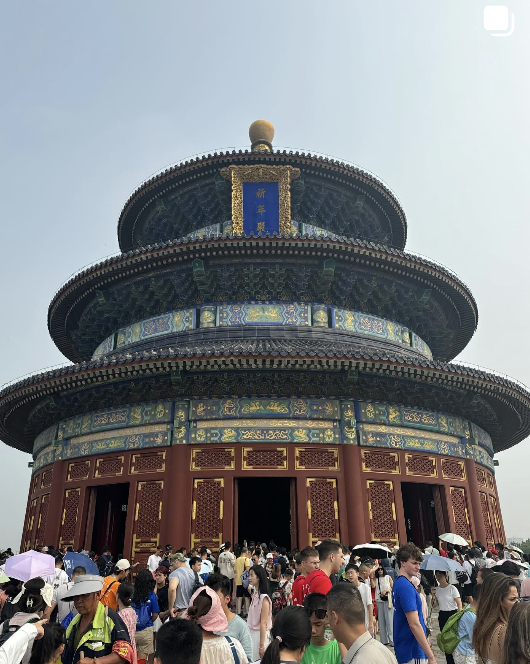
China's temples are architectural masterpieces that blend spirituality with artistry. The Temple of Heaven in Beijing, with its circular Hall of Prayer for Good Harvests, is a study in perfect geometry. The blue-tiled roof represents heaven, while the red columns symbolize earth—a visual representation of cosmic balance.
When photographing temples, remember that these are active places of worship. Be respectful, move quietly, and avoid using flash. The natural light filtering through incense smoke creates an otherworldly atmosphere that no artificial lighting can replicate.
Final Thoughts
China's architecture is a testament to human creativity and cultural continuity. From the ancient palaces that have stood for centuries to the skyscrapers that reach for tomorrow, every structure tells a story. As a photographer, my job is to capture not just the buildings, but the spirit they embody—the harmony between past and present, tradition and innovation.
Whether you're photographing the intricate details of a temple roof or the sweeping vista of a modern cityscape, remember that architecture photography is about more than buildings—it's about capturing the essence of a culture, the dreams of a people, and the timeless beauty of human creation.
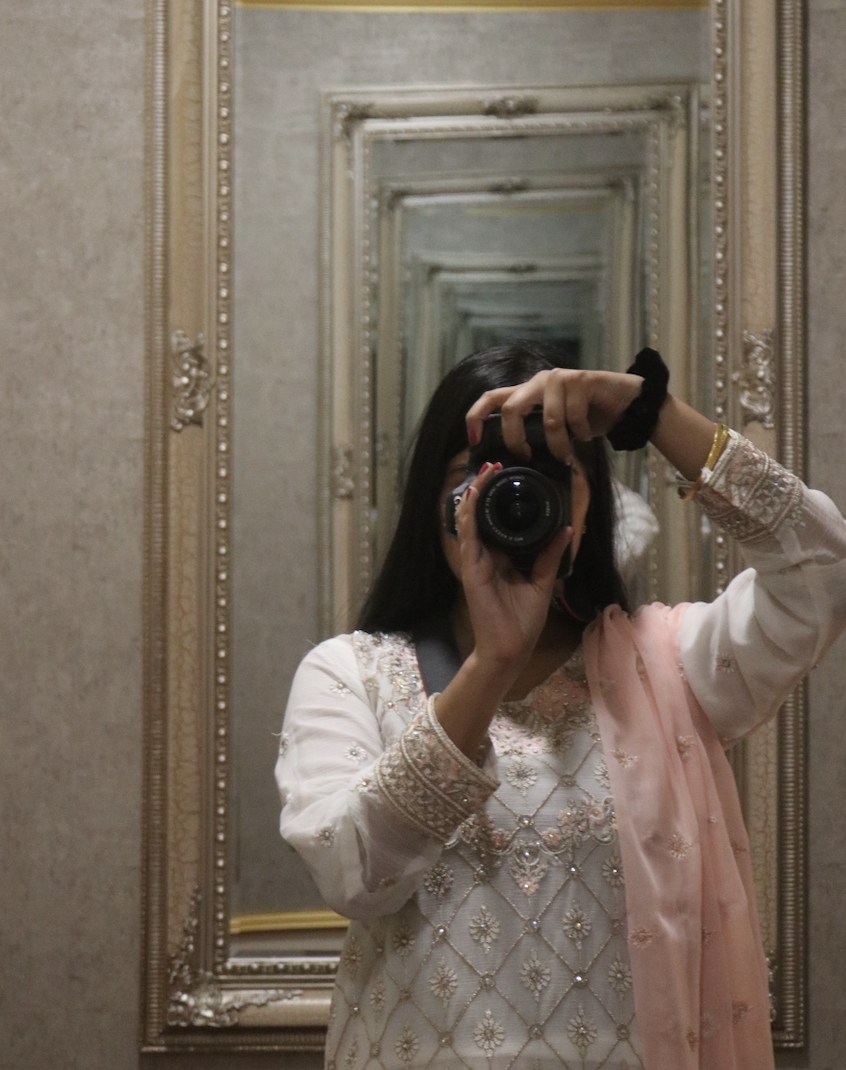
About Samreen
A Manchester-based photographer specialising in travel and authentic storytelling. Capturing moments that matter, from local sessions to destinations around the world.
Read More About Me