Japan: A Photographer's Paradise of Beauty and Serenity
Discovering Japan's stunning landscapes, vibrant culture, and hidden gems. Essential travel photography tips for capturing the Land of the Rising Sun in all its glory.
Japan is a country of contrasts—ancient temples nestled among neon-lit streets, cherry blossoms that bloom for just a week, and a culture that values both tradition and innovation. For photographers, it's a paradise where every corner offers a new story, a new composition, a new moment of beauty.
My journey through Japan took me from the bustling streets of Tokyo to the serene temples of Kyoto, from the snow-capped peaks of Mount Fuji to the tranquil gardens that dot the countryside. Each destination offered unique photographic opportunities and lessons in patience, observation, and the art of seeing.
Tokyo: The City That Never Sleeps
Tokyo is a photographer's playground. The city pulses with energy, colour, and life. From the iconic Shibuya Crossing—where thousands of people cross simultaneously—to the quiet back alleys of Golden Gai, every neighbourhood has its own character.
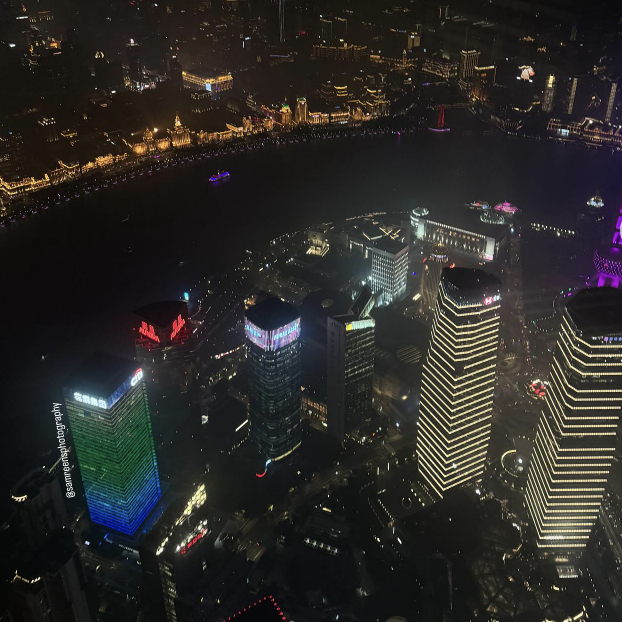
The best time to photograph Tokyo is during the blue hour, when the neon signs begin to glow against the darkening sky. The contrast between the warm interior lights and the cool blue of twilight creates a magical atmosphere. I spent hours on observation decks, capturing the city's endless sprawl, each building a pixel in a massive urban canvas.
"In Japan, beauty is found in the fleeting moment—the cherry blossom that falls, the perfect bowl of ramen, the exact second when light and shadow align."
Kyoto: Where Time Stands Still
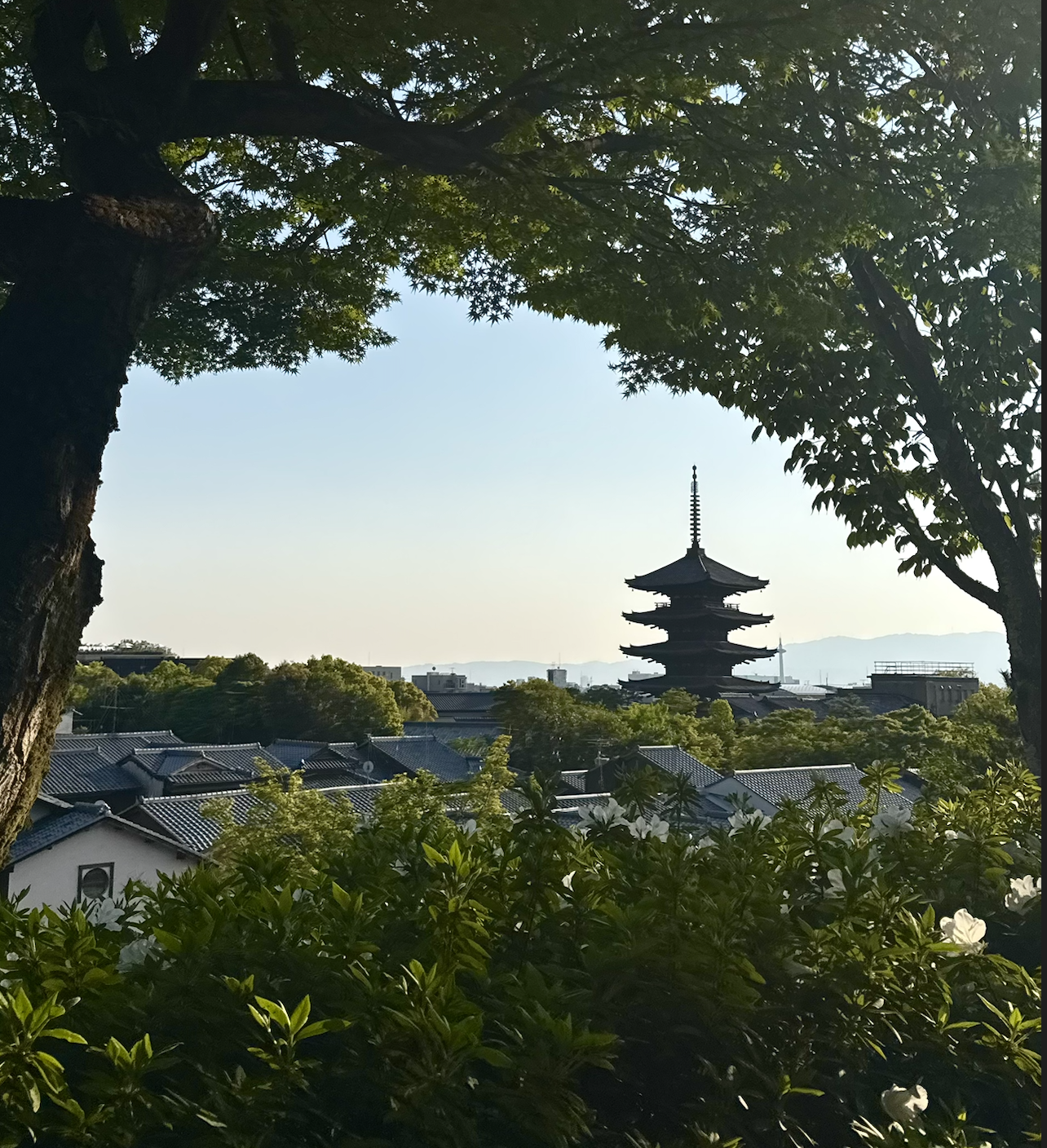
Kyoto is Japan's cultural heart, home to over 2,000 temples and shrines. The Fushimi Inari Shrine, with its thousands of vermillion torii gates, is one of the most photographed places in Japan—and for good reason. The gates create a tunnel of light and shadow that seems to stretch into infinity.
To get the best shots at Fushimi Inari, arrive before sunrise. The early morning light filtering through the gates is ethereal, and you'll have the place mostly to yourself. As you climb higher, the crowds thin, and you'll find quieter sections perfect for intimate compositions.
The Cherry Blossoms: Sakura Season
Timing a visit to coincide with sakura season is a photographer's dream—and challenge. The blossoms peak for only about a week, and the exact timing varies each year. I was fortunate to catch the peak bloom in Kyoto's Maruyama Park, where a massive weeping cherry tree becomes the centre of nighttime celebrations.
Photographing cherry blossoms requires a delicate touch. Use a shallow depth of field to isolate individual branches against soft backgrounds. During hanami (flower viewing) parties, capture the joy and community spirit. The combination of pink blossoms, traditional yukata, and warm lantern light creates images that feel like paintings.
Essential Photography Tips for Japan
1. Master the Golden Hour
Japan's light is particularly beautiful during golden hour. The warm tones complement the traditional architecture and natural landscapes. Plan your day around sunrise and sunset, especially for temple and garden photography.
2. Embrace the Rain
Don't let rain stop you. Japan's rainy season (tsuyu) creates moody, atmospheric conditions perfect for photography. The wet streets reflect neon lights beautifully, and temples look mystical shrouded in mist.
3. Look for Details
Japan is a country of details—the pattern on a manhole cover, the arrangement of food in a bento box, the way a kimono is folded. These small moments often tell bigger stories than wide shots.
4. Respect the Culture
Many temples and shrines have photography restrictions. Always check signs and be respectful. When photographing people, especially in traditional settings, ask permission. The Japanese are generally polite about photography, but respect goes a long way.
5. Use Leading Lines
Japanese architecture and design are full of natural leading lines—the curve of a temple roof, the straight lines of a bamboo forest, the zigzag of a torii gate path. Use these to guide the viewer's eye through your composition.
6. Capture the Contrast
The contrast between old and new is everywhere in Japan. Frame traditional elements with modern backgrounds, or vice versa. A geisha walking past a vending machine, a temple gate with a skyscraper behind it—these juxtapositions tell the story of modern Japan.
The Food: A Visual Feast
Japanese cuisine is as photogenic as it is delicious. From the artful presentation of kaiseki meals to the vibrant colors of street food, every dish is a potential photograph. The key is natural light—avoid harsh restaurant lighting. Many restaurants have large windows or outdoor seating perfect for food photography.
The Gardens: Zen and Composition
Japanese gardens are masterclasses in composition. Every element is placed with intention, creating balance and harmony. When photographing gardens, look for the rule of thirds, negative space, and the way elements frame each other. The famous rock garden at Ryoan-ji Temple in Kyoto is a perfect example—15 rocks arranged so that you can never see all 15 from any single viewpoint, a metaphor for the incompleteness of human perception.
Final Thoughts
Japan taught me that photography is about more than capturing what you see—it's about capturing what you feel. The serenity of a temple garden, the energy of a city street, the fleeting beauty of cherry blossoms—these moments are temporary, but through photography, we can preserve them forever.
Whether you're shooting with a professional camera or a smartphone, the most important tool is your eye. Slow down, observe, and wait for the moment when everything aligns—the light, the composition, the emotion. That's when magic happens.
About Samreen
A Manchester-based photographer specialising in travel and authentic storytelling. Capturing moments that matter, from local sessions to destinations around the world.
Read More About Me