Mastering Golden Hour: The Photographer's Magic Hour
The golden hour transforms ordinary scenes into extraordinary photographs. Learn when to shoot, how to use the light, and techniques for capturing that perfect warm glow.
There's a reason photographers call it the golden hour—that magical time just after sunrise or before sunset when the world transforms. The light becomes warm, soft, and directional, casting long shadows and creating a glow that makes everything look better. It's nature's perfect lighting setup, and learning to use it is one of the most important skills a photographer can develop.
I've chased golden hour light across continents, from the temples of China to the canals of Venice, from the parks of London to the streets of Tokyo. Each location offers different opportunities, but the principles remain the same. Understanding golden hour isn't just about knowing when to shoot—it's about understanding light itself, how it behaves, and how to use it to create the images you envision.
What Exactly Is Golden Hour?
Golden hour is the period when the sun is low in the sky, typically within an hour after sunrise or before sunset. During this time, the sun's light travels through more of the Earth's atmosphere, which scatters the blue light and allows the warm red and orange wavelengths to dominate. The result? Soft, warm, flattering light that adds magic to any scene.
The exact timing varies by location and season. In summer, golden hour might last longer. In winter, it's shorter. Near the equator, the transition happens quickly. In higher latitudes, you might have more time. The key is to plan ahead—use apps or websites to check sunrise and sunset times for your location.
"Golden hour doesn't just make photographs look better—it makes them feel better, adding warmth and emotion that artificial light can never replicate."
Why Golden Hour Works
The magic of golden hour comes from several factors working together. First, the warm colour temperature—typically around 2500-3500 Kelvin—creates that beautiful golden glow. Second, the soft, directional light creates depth and dimension through shadows. Third, the low angle of the sun creates interesting shadows and highlights textures. Finally, the contrast is lower, meaning you can capture detail in both highlights and shadows.
Practical Tips for Golden Hour Photography
1. Plan Your Location
Scout your location beforehand. Know where the sun will rise or set, and identify interesting foreground elements, backgrounds, and compositions. Arrive early—at least 30 minutes before golden hour begins—so you're ready when the light arrives.
2. Use the Right Settings
During golden hour, you have more flexibility with settings. I typically shoot in aperture priority mode, using wider apertures (f/2.8 to f/5.6) to let in more light and create beautiful bokeh. Keep your ISO low (100-400) to maintain image quality. The soft light means you don't need to worry as much about harsh highlights or deep shadows.
3. Watch the Direction of Light
The direction of light matters. Front lighting (sun behind you) creates even, flattering illumination. Side lighting creates depth and texture. Back lighting creates silhouettes and rim lighting. Each has its place—experiment to see what works best for your subject.
4. Don't Forget Blue Hour
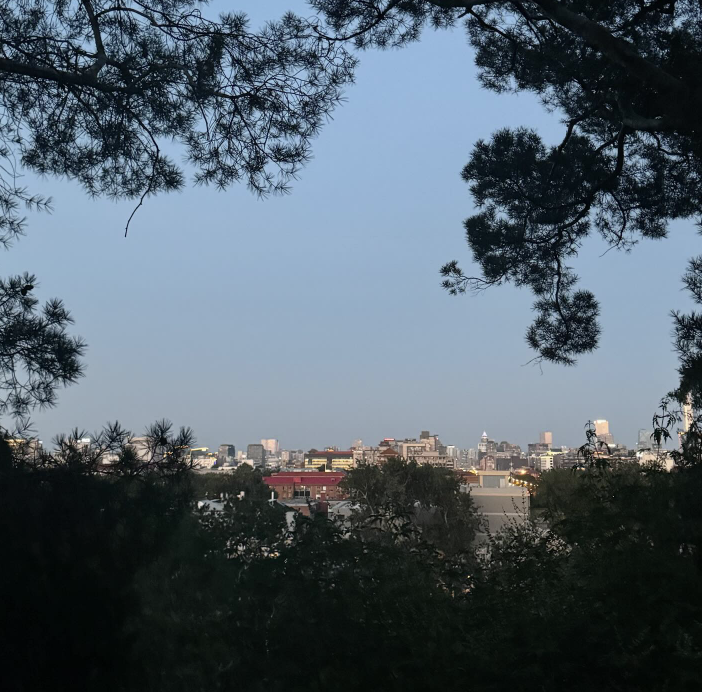
Right after sunset or before sunrise, there's blue hour—when the sky takes on a deep blue hue and city lights begin to glow. This is perfect for urban photography, creating a beautiful contrast between warm artificial lights and cool natural light. Don't pack up too early—some of the best shots come during this transition.
5. Use a Tripod When Needed
As the light fades, you might need longer exposures. A tripod ensures sharp images and allows you to use lower ISO settings. It also lets you take multiple exposures for HDR or focus stacking if needed.
Golden Hour for Different Subjects
Landscapes: Golden hour brings out the texture of landscapes, creates depth through shadows, and adds warmth to natural scenes. The long shadows can create leading lines and interesting patterns.
Architecture: The warm light can make buildings glow, and the directional light creates depth and dimension. The low angle can create interesting perspectives and emphasize vertical lines.
Portraits: Golden hour is flattering for people—the warm, soft light smooths skin and creates a natural glow. Position your subject so the light hits them from the side or front for best results.
Street Photography: The warm light adds atmosphere to street scenes, and the long shadows can create interesting compositions. People often look more relaxed and natural in golden hour light.
Common Mistakes to Avoid
Overexposing: It's easy to blow out highlights when shooting toward the sun. Use exposure compensation or spot metering to protect your highlights.
Not Planning: Golden hour happens fast. If you're not ready, you'll miss it. Scout locations, check weather, and arrive early.
Ignoring White Balance: While the warm tones are beautiful, you might want to adjust white balance in post-processing to fine-tune the look. Shoot in RAW to give yourself flexibility.
Final Thoughts
Golden hour is nature's gift to photographers. It's free, it's beautiful, and it transforms ordinary scenes into extraordinary images. But more than that, it teaches us to be patient, to plan, to observe how light behaves and how it affects our subjects.
Whether you're photographing landscapes, architecture, people, or street scenes, golden hour offers opportunities to create images with warmth, depth, and emotion. The key is to understand the light, plan your shoots, and be ready when that magical hour arrives. With practice, you'll find yourself instinctively knowing when and how to use golden hour to create the images you envision.
About Samreen
A Manchester-based photographer specialising in travel and authentic storytelling. Capturing moments that matter, from local sessions to destinations around the world.
Read More About Me